
Most small businesses work hard to get a new customer. The mistake is stopping after the first sale. One goal is to bring that customer back two more times. Once someone buys from you three times, they are much more likely to keep coming back.
The Restaurant Example
A restaurant used a simple system [1]. The owner did not just hope a new customer would return. He gave the staff a process to follow.
- Ask every guest if they have been there before.
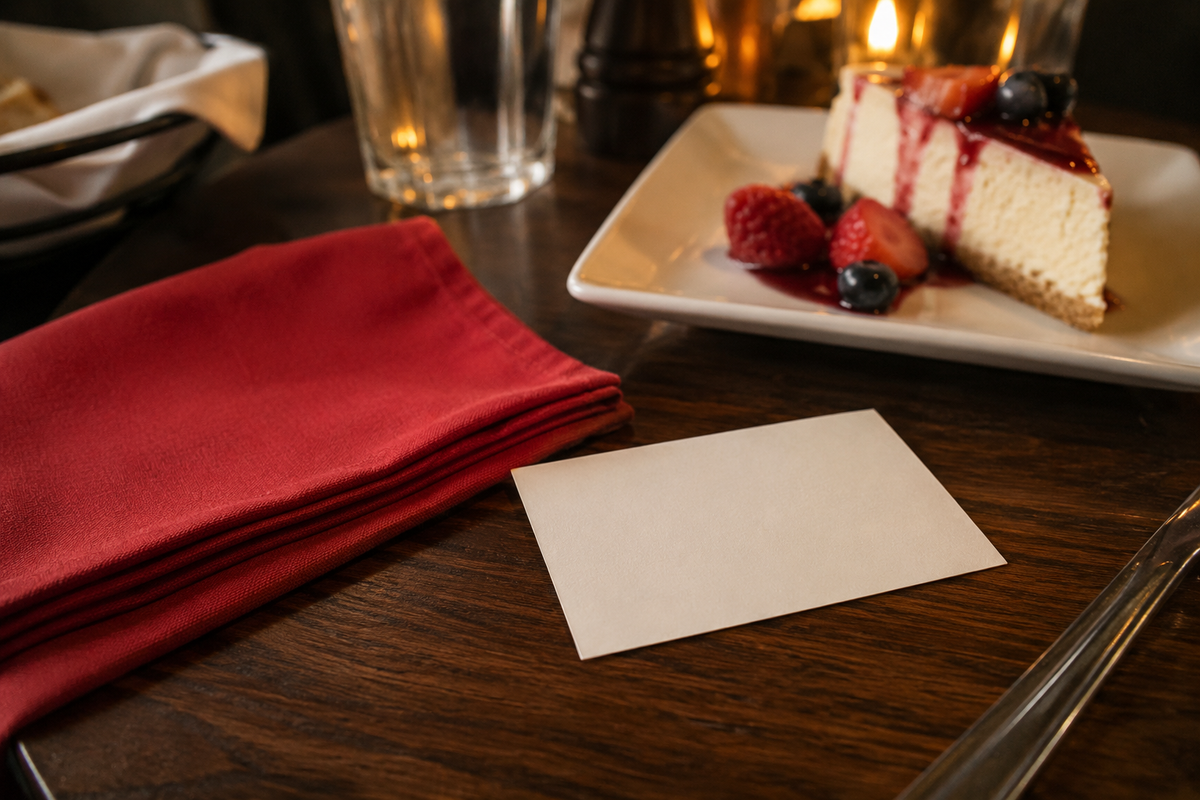
- If they are new, put a red napkin on the table so the staff can recognize them.
- Have the manager come over and welcome them personally.
- Send the customer a postcard for a free rib dinner.
- When they come back, give them a handwritten offer for the next visit.
- Repeat the process until the customer has visited three times.
The Cost of Each Step
The numbers in the restaurant example are simple. The owner is not spending a lot of money on broad advertising. He is spending a small amount to bring a known customer back.
- First visit: the red napkin and manager visit cost almost nothing. The main cost is staff attention.
- Return offer: the postcard costs about $1 to send.
- Second visit: the free rib dinner costs about $4 in food cost.
- Third visit offer: the $5 off chicken dinner breaks even, so there is no real extra cost.
- Fourth visit offer: the free cheesecake adds a small dessert cost.
- Total cost: about $8 to move a new customer through the return-visit system.
The point is the comparison. The owner says another restaurant might spend over $1,000 in advertising to get a new customer. His system costs only a few dollars because he is marketing to someone who already knows the business.
Why It Works
The idea is simple:
- The red napkin makes the first visit feel special.
- The manager’s visit makes the experience personal.
- The postcard gives the customer a clear reason to return.
- The handwritten offer feels more like a personal invitation than an ad.
- Each offer leads naturally to the next visit.
The point is not to give everything away. The point is to build a habit. The customer is noticed, invited back, and guided toward becoming a repeat customer.
How Other Small Businesses Can Use This
This same idea can work in many small businesses. The offer will be different, but the system is the same: recognize the new customer, invite them back, and guide them toward a third purchase.
- Retail store: give a first-time buyer a card for a small discount on a second item.
- Hair salon: invite a new client back for a discounted trim, treatment, or product sample.
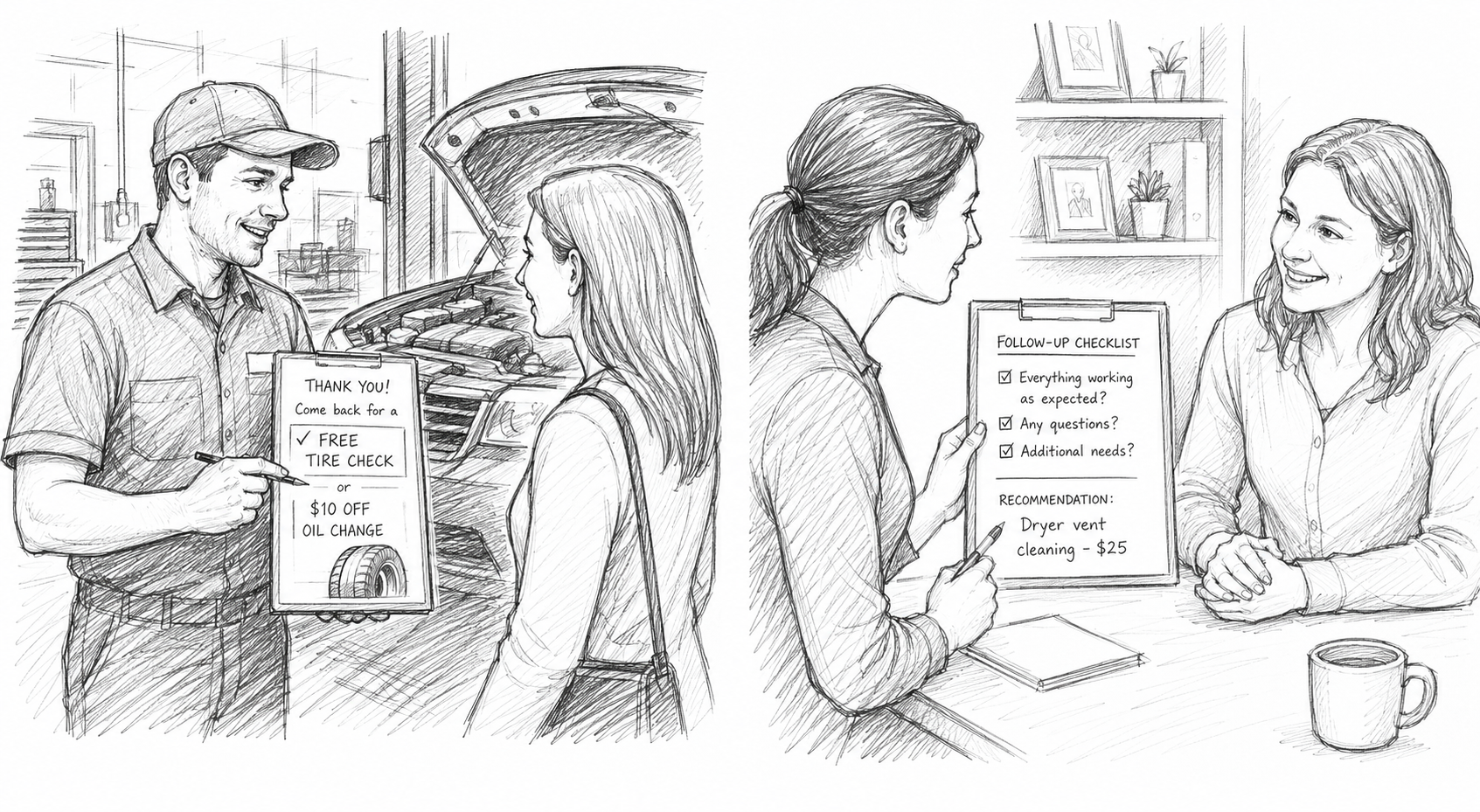
- Auto repair shop: offer a free tire check or discounted oil change after the first repair.
- Service business: offer a short follow-up call, checklist, or small add-on service.
- Online store: send a personal thank-you email with an offer for the next order.
The Lesson
A first-time customer is not the finish line. It is the starting point. Small businesses do not always need more advertising. Sometimes they need a simple way to turn one-time buyers into repeat customers.
Reference
[1] John Tapper: https://youtu.be/YT6Gys9mkBo